
Introduction: Why Habits Matter
Success isn’t built on giant leaps; it’s crafted from small, consistent steps repeated over time. If you’ve followed my blogs or read my book Unchained, you’ll know that habits are the foundation of sustained growth. Habits turn your vision into action and your purpose into progress.
Habits are the building blocks of your daily life. Research shows that approximately 40% of our actions are driven by habits rather than conscious decisions. This makes habits incredibly powerful tools for achieving your goals.
- Efficiency: Habits automate behaviour, freeing up mental energy for other tasks.
- Compounding Effect: Small, consistent actions accumulate over time, leading to significant results.
- Resilience: Good habits provide structure and focus, especially during challenging times.
Whether it’s staying consistent with fitness, fostering stronger relationships, or advancing career, habits lay the groundwork for meaningful progress.
This February, our theme is Habits—the building blocks of a successful and meaningful life. In this blog, we’ll explore how tiny, deliberate changes in your daily routine can lead to monumental transformations over time. Whether it’s writing that long-awaited book, staying consistent in fitness, or scaling your organisation’s productivity, the power of habits is undeniable.
The Science Behind Habits
Neuroplasticity, the brain’s ability to rewire itself, ensures that repeated actions become easier over time. Consistency turns a new behaviour into an automatic habit, saving mental energy.
How Habits Are Formed:
At the heart of every habit is the habit loop: cue → routine → reward. This loop is what makes habits stick. A cue triggers the habit, the routine is the action itself, and the reward reinforces it.
For example:
- Cue: Your alarm rings at 6 am.
- Routine: You go for a 10-minute walk.
- Reward: A sense of accomplishment and mental clarity.
Habits are the silent enablers of success:
- Alignment: Habits ensure your daily actions align with your long-term vision.
- Sustainability: Small, consistent actions are easier to maintain than overwhelming, sporadic efforts.
- Momentum: Positive habits create a domino effect, making other productive actions easier to sustain.
Strategies to Build Consistent Habits
- Start Small
For instance, I started with just five minutes of rowing as part of my fitness routine. Over time, that small habit evolved into full-blown half-marathon rows and weight training. The result? I dropped my weight from 117kg to 85kg and reduced my waist size from 44 inches to 32 inches. This journey began with one small, consistent habit that created a domino effect of positive changes.
When building habits, starting small is essential. Big, overwhelming changes are often unsustainable. Instead, focus on manageable steps.
- Fitness Example: Begin with five minutes of exercise daily. This could grow into more intensive routines, as my own journey from short rowing sessions to half-marathons illustrates.
- Financial Example: Set up a direct debit for a small savings amount each month. Over time, this habit can lead to significant financial security.
- The Power of Rewards
- Personal Experience: I started buying fuel exclusively from Morrisons because of their reward system. Over time, it became such an ingrained habit that I would drive miles past other stations—even when I wasn’t using the reward card anymore! This demonstrates how rewards can establish deep-rooted habits that persist over years.
- Fast Food Example: The familiar logo triggers a craving, and the first bite delivers a sugary reward that hooks you.
- Stack Habits
- Example: If you want to meditate daily, do it right after brushing your teeth or having your morning coffee. I listen to books and teachings whilst rowing.
- Track Progress
- Example: I track my weekly blog posts and objectives on my iPad. My yearly goals are broken down into monthly and weekly actions, which I tick off as I complete them.
Overcoming Challenges in Building Habits
Building habits isn’t always easy. Challenges such as lack of motivation, external distractions, and unrealistic expectations can derail even the best intentions. Here’s how to tackle these obstacles:
- Start Small and Be Patient
- Challenge: We often aim too high too soon, leading to burnout or frustration.
- Solution: Focus on incremental progress. For example, if your goal is to meditate for 20 minutes daily, start with just 2 minutes and gradually increase over time.
- Accountability
- Challenge: It’s easy to give up on habits when no one’s watching.
- Solution: Share your goals with an accountability partner or join a community with similar objectives. For instance, fitness groups or online habit-tracking apps can provide the motivation you need.
- Embrace Imperfection
- Challenge: Missing one day can lead to guilt and a downward spiral.
- Solution: Accept that perfection isn’t the goal. Missing a day isn’t failure—it’s part of the process. Focus on consistency over time, not daily perfection.
- Reassess and Adjust
- Challenge: Life circumstances may make your initial habits unrealistic.
- Solution: Modify your habits to fit your current situation. For example, if your work schedule changes, adjust your gym routine to mornings or weekends.
- Build Rewards into Your System
- Challenge: Habits can feel like a chore without immediate benefits.
- Solution: Use rewards to make the process enjoyable. For instance, treat yourself to a favourite playlist during workouts or celebrate milestones with small indulgences.
- The Role of Identity in Habit Formation
- “I am” Statements: Shift your mindset from “I want to run” to “I am a runner.”
- Reinforce Identity: Each time you act in line with your desired identity, you strengthen it.
- Example: If you’re a writer, every paragraph you complete reinforces your identity as an author.
Breaking Bad Habits
While building good habits is vital, breaking bad ones is equally important:
- Identify Triggers: Understand what cues trigger your bad habits. This could be emotional state, time, location, preceding action or specific people present. For me ‘stress’ was a trigger for a whiskey drinking habit I was developing.
- Replace, Don’t Eliminate
- Personal Example: I replaced my habit of taking a shot of whiskey to relieve stress with gym sessions. This small but deliberate change not only improved my physical health but also rewired my emotional response to stress, proving that replacing bad habits can lead to transformational outcomes.
- Create Friction
- Example: My son bought a time-lock device for his phone while studying for his GCSEs. This added friction helped him avoid distractions and focus on his studies.
- Reframe Your Environment
- Example: Keep healthy snacks visible and easily accessible while storing junk food out of sight. I cleared my house of refined sugar when I decided to quit adding sugar to anything I ate.
Books and Tools to Build Habits
Here are some practical tools and resources to help you establish and sustain habits:
- Books for Deeper Learning:
- Unchained: Success Unlocked – A Proven Framework for Achieving Your Goals by Clement Kwegyir-Afful: This book provides science-backed, practical strategies for breaking bad habits and adopting good ones, enriched with personal experiences to guide you step by step.
- Atomic Habits by James Clear: Offers actionable tips on how to make small changes for big results.
- The Power of Habit by Charles Duhigg: Explores the science behind habits and how they shape our lives.
- Daily Journaling: Reflect on your habits, track progress, and identify areas for improvement.
- Habit-Tracking Apps: Use tools like Habitica, Streaks, or Notion to monitor your progress.
Examples of Small Habits Leading to Big Impact
Personal Examples:
- My Fitness Journey: I started with 5-minute rowing sessions, which gradually turned into half-marathon rows and weight training. Over time, this consistent effort transformed my health, helping me drop from 117kg to 85kg and reducing my waist size from 44 inches to 32 inches. This also addressed a high blood pressure issue doctors wanted to put me on medication.
- My Blogging Journey: Writing a blog every week may sound daunting, but breaking it into daily writing sessions has made it sustainable. Tracking progress on my iPad has kept me consistent.
- James Clear’s Atomic Habits shares the story of a man who started by going to the gym for just 5 minutes a day. This small habit snowballed into significant fitness achievements.
- Organisations implementing daily stand-up meetings improve collaboration and efficiency over time.
Conclusion: Start Small, Dream Big
Habits are the foundation of success. By starting small, staying consistent, and leveraging tools like rewards and habit tracking, you can create lasting changes that lead to big results.
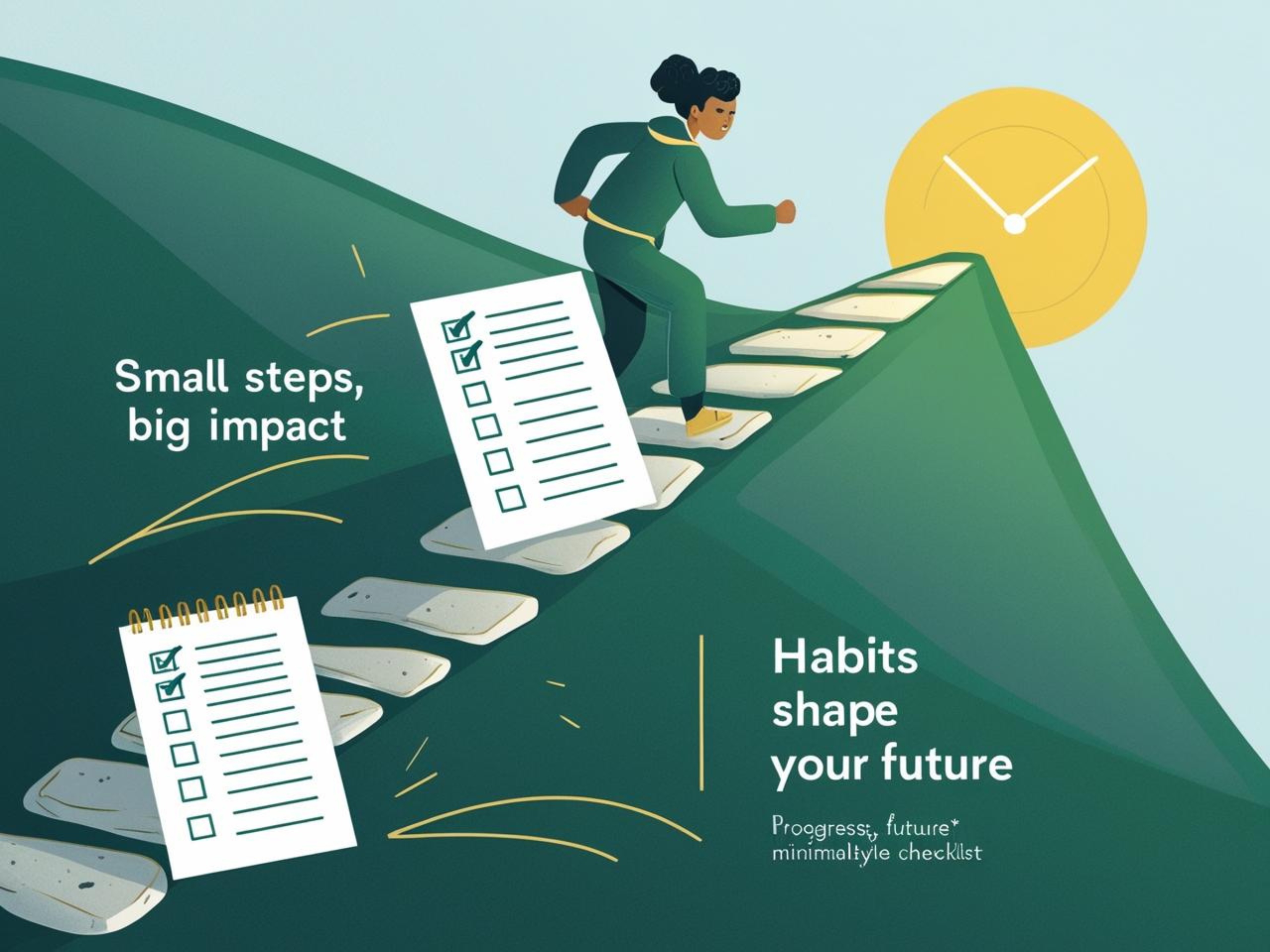
Whether you’re building a fitness routine, improving your finances, or pursuing personal growth, remember: small steps make a big impact. Use the insights and tools from this blog to take your first step toward building the habits that will shape your future.
Habits may seem small, but they hold the power to shape the trajectory of your life. Start with one small step today, and watch how it compounds into monumental progress tomorrow.
References
- Kwegyir-Afful, C. (2023). Unchained: Success Unlocked – A Proven Framework for Achieving Your Goals.
- Clear, J. (2018). Atomic Habits: An Easy & Proven Way to Build Good Habits & Break Bad Ones.
- Duhigg, C. (2012). The Power of Habit: Why We Do What We Do in Life and Business.
- Harvard Business Review. (n.d.). “The Science of Habits.”
- Psychology Today. (n.d.). “How Rewards Reinforce Behavioural Patterns.”
Continue Your Journey
Explore more resources from the Unchained Goals Framework: