
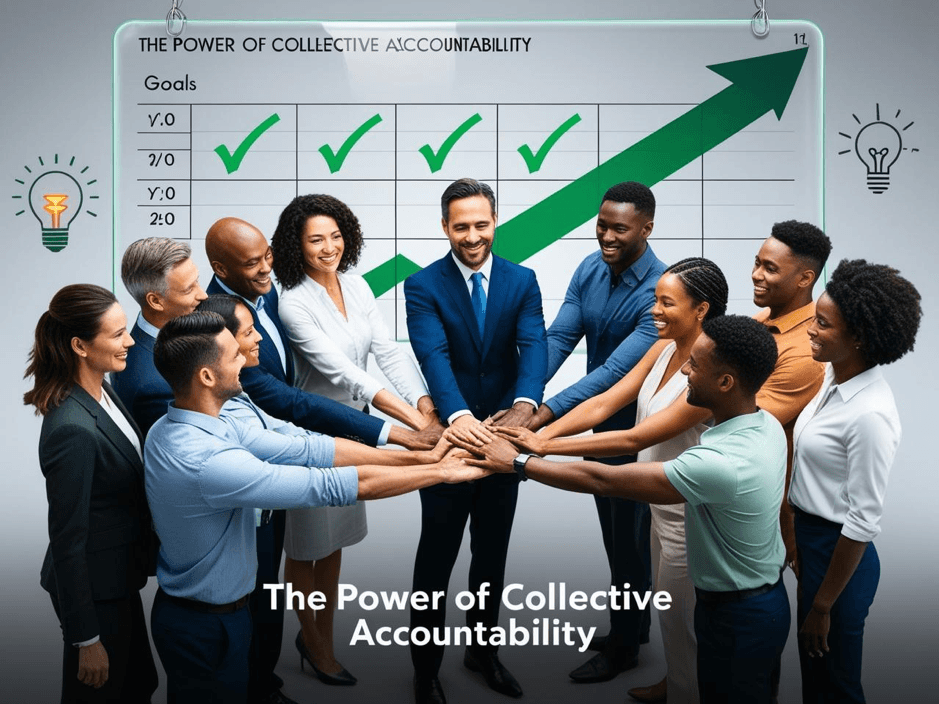

Introduction: The Role of Collective Accountability
Throughout April, our theme has been accountability—a powerful principle of the goals framework set out in my book Unchained: Success Unlocked. We’ve explored personal accountability, choosing the right accountability partner, and building support networks. Now, in this final post of the month, we’re diving into the often-overlooked but hugely impactful concept of collective accountability. When we think of accountability, we often picture one-on-one relationships—a mentor, a coach, a friend. But what happens when a whole team, organisation, or community shares responsibility for a goal? That’s the magic of collective accountability. In this post, we’ll explore what collective accountability is, how it transforms teams and families, and how you can apply it in your own life or organisation. We'll also revisit some key lessons from the previous blogs:- Why Accountability Drives Success (https://unchainedforsuccess.com/why-accountability-drives-success/)
- How to Find the Right Accountability Partner(https://unchainedforsuccess.com/how-to-find-the-right-accountability-partner/)
- Success in Teams: Building Supportive Networks (https://unchainedforsuccess.com/success-in-teams-building-supportive-networks/)
- Personal Reflections: Accountability Lessons Learned(https://unchainedforsuccess.com/personal-reflections-accountability-lessons-learned/)
What is Collective Accountability?
Collective accountability is when a group shares responsibility for achieving a goal. It’s not just about one person reporting progress—it’s about everyone contributing, supporting, and depending on each other. You see it in:- Project teams
- Organisational departments
- Peer support groups
- Families
- Faith or community networks
Why It Works: Benefits of Collective Accountability
- Increased Motivation When others are counting on you, it pushes you to stay on track. Peer pressure can be positive when aligned with growth.
- Shared Learning You’re exposed to different ways of solving problems and thinking creatively.
- Momentum and Consistency Regular check-ins create rhythm and keep goals alive—especially when energy or clarity starts to dip.
- Stronger Culture and Trust Shared accountability builds emotional safety. People feel seen, supported, and encouraged.
Real-Life Examples: How Collective Accountability Works
Project Teams
In client projects I’ve worked on, a simple tool like a weekly 30-minute stand-up meeting with a visual milestone board transforms delivery. When team leads commit to specific outcomes and review them together weekly, the team achieves what once seemed impossible. The accountability is mutual, supportive—not punitive—and it creates tangible momentum.Family Goal Setting
In our home, we sit together at the beginning of each year and discuss individual and collective goals. Everyone is involved. We revisit those goals throughout the year. This creates an environment where accountability is part of the family culture, and progress becomes a shared win.Peer Mastermind Groups
Many entrepreneurs and professionals thrive in small peer groups where they meet monthly to share updates, set challenges, and give feedback. These groups are built on mutual respect and expectation, and they drive serious results.How to Build Collective Accountability into Your Environment
- Start with a Shared Vision Everyone needs to know the bigger picture and their role in it.
- Define Roles and Expectations Be clear on what’s expected from each person and how progress will be reviewed.
- Create Safe Check-Ins Weekly or bi-weekly reviews should focus on learning and support—not blame.
- Make Progress Visible Use shared dashboards, whiteboards, or digital tools so everyone can see how things are going.
- Celebrate Wins Together Don’t just critique—celebrate the small and big victories.
Challenges to Watch For—and How to Solve Them
- Uneven Commitment Solution: Set ground rules early and make expectations mutual.
- Blame Culture Solution: Frame check-ins as support—not judgement.
- Lack of Clarity Solution: Use clear, measurable goals and shared visual tools.
- Over-Reliance on One Person Solution: Rotate leadership roles and ensure shared ownership.
Practical Tips to Apply Now
- Use tools like Trello, Notion, or Google Sheets for shared tracking.
- Set up Monday huddles and Friday reflections with your team or group.
- Build in peer reviews or mutual feedback sessions.
- Rotate the "leader of the week" to promote ownership.
Conclusion: Success is a Shared Journey
Collective accountability works because it’s not just about progress—it’s about people growing together. Whether you’re a team leader, part of a family unit, or building a mastermind group, the power of shared accountability cannot be underestimated. When done well, it creates alignment, trust, and achievement that lasts. As we wrap up our month on accountability, remember that you don’t have to do it all alone. Lean into your network, build supportive systems, and share your journey. Together, we achieve more. Next month we’ll shift gears to reflect on the year so far. May's theme is Mid-Year Reset—a chance to assess what’s working, what’s not, and how to refocus your goals for the months ahead.References
- Kwegyir-Afful, C. (2023). Unchained: Success Unlocked – A Proven Framework for Achieving Your Goals.
- Gallup Workplace Report. (2023). “Team Engagement & Performance.”
- Harvard Business Review. (n.d.). “The Power of Peer Accountability.”
- Forbes. (2022). “Why Group Accountability Helps Teams Stay on Track.”
Continue Your Journey
Explore more resources from the Unchained Goals Framework: